January 19, 2020: Broken links fixed. A few new pics added. A lot of new articles added. Changed Symple Accordions into Symple Toggles. Updated the Nextgen galleries to work properly and not reload the entire page when you click on a pic.
March 18, 2017: More construction. Adding some new stuff and fixing links.
March 13, 2016: Under construction. Mind the dust. I’m in the process of fixing links and adding more stuff.
Added links to the new Library of Congress pages. Definitely check those out. The pics are 630x7057px. That’s larger than life-sized!
Introduced: 1806
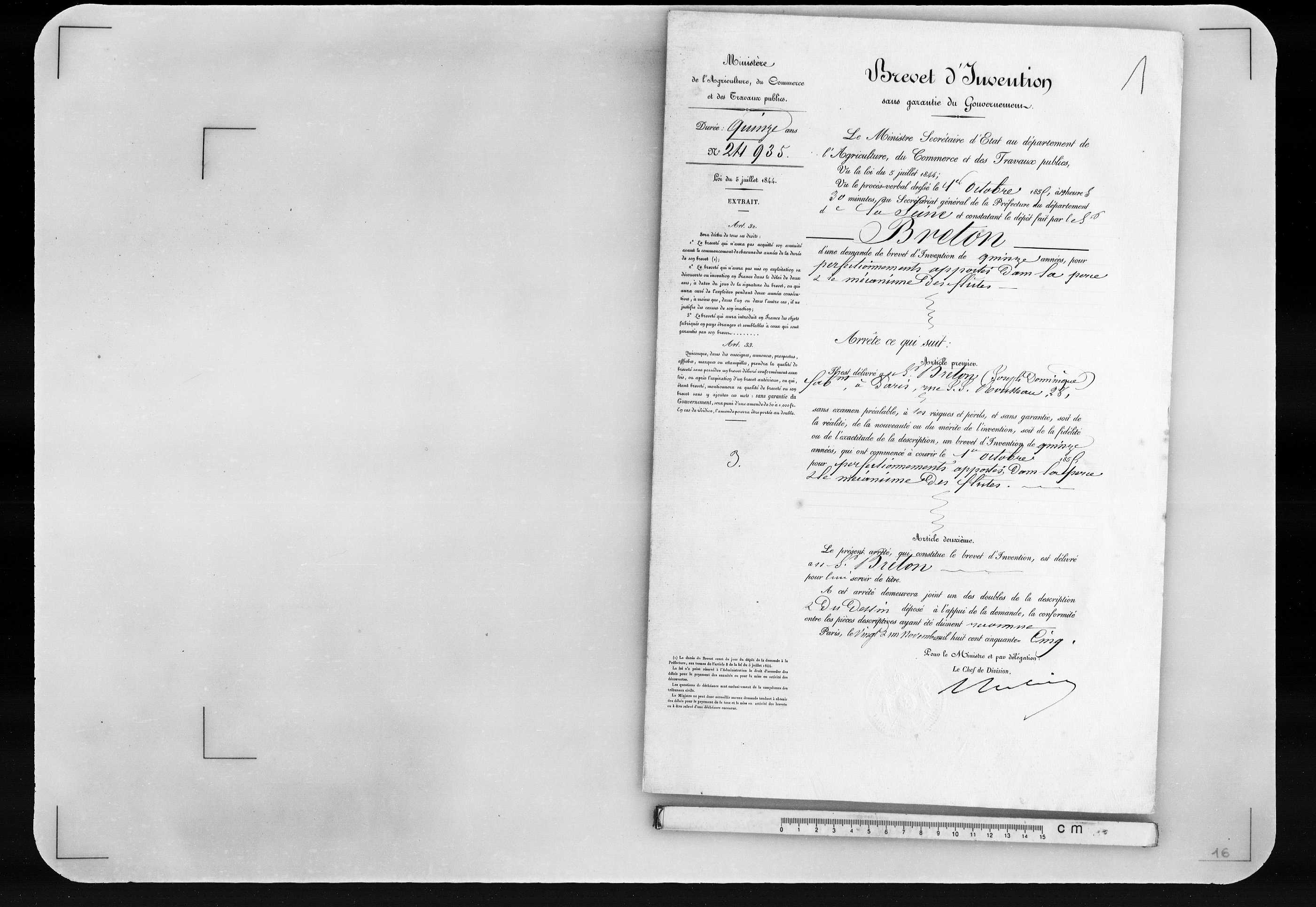
Discontinued: 1862 (Laurent died in 1849. Production continued under JD Breton until 1862ish.)
Production Numbers: Appx. 124 instruments remaining.
Current Value: Appx. $14,000 to $25,000 US, depending on configuration (adjusted for inflation)
Available Colors: Clear (“White”), Uranium Green, Cobalt Blue.
Keywork: Brass or silver. Sometimes with mother-of-pearl or other gemstones on keywork and/or endcap.
Keys: Variable. No less than 3, no more than 8.
Available Pitches: C piccolo, D flute, C flute, Db flute and possibly others.
Here’s a little departure from the saxophone world. Allow me to talk about flutes, for a bit. These horns are important to anyone who’s played a keyed woodwind in the past 200 years, so it’s a good read. They’re pretty to look at, too.
First, I am not a flute player. I have difficulty even getting a sound out of one. My sister, on the other hand, was a pretty decent flute player. Additionally, as one of the administrators for the Woodwind Forum, I’ve researched more than a few non-saxophone instruments. Also, something that appears “expected” of most saxophone players in a “big band” jazz setting is that they should be able to play flute and I’ve been in some big band ensembles. That means that I’ve at least been around some flute players for a large percentage of my playing career and/or my Internet career.
The subject at hand is Claude Laurent and his crystal flutes.
As a starting point, you’ve got to know that the Claude Laurent flutes only bear a passing resemblance to the “knick-knack” crystal flutes of today (like the ones at hallflutes.com, for instance). These are both historic and historical instruments that were made in the first 2/3rds (or so) of the 19th century — and, if you want to buy one, expect a 5-digit price tag.
So, why should you care about Laurent and his flutes? Let’s start with this brilliant article from Dayton C. Miller (“Flutes of Glass,” The Flutist 6, no. 7 (July 1925): 151) that’s reproduced on the Library of Congress website.
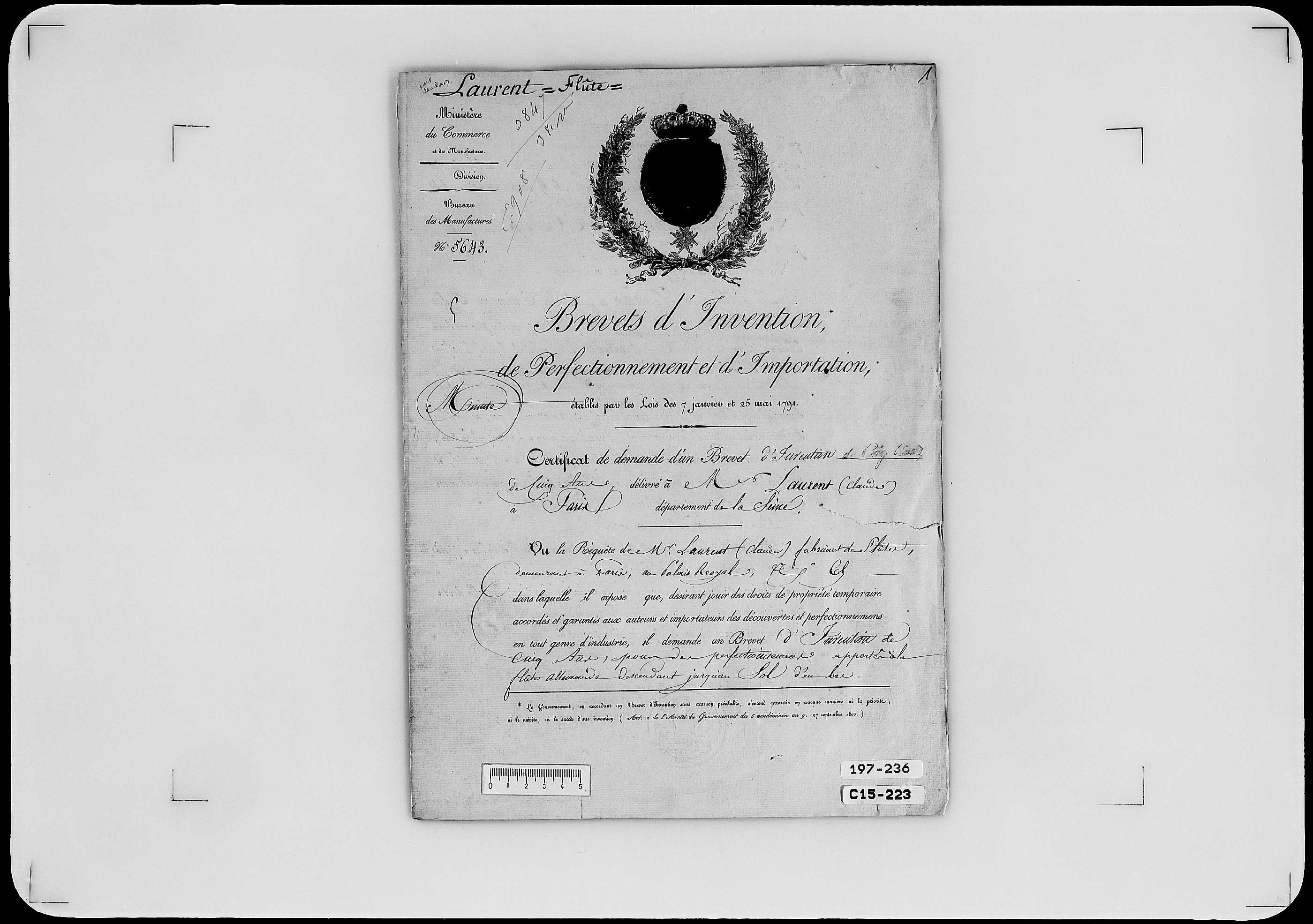
On November 21, 1806, Claude Laurent was awarded French patent number 382:
“[A five year patent for a flute made of crystal glass]:
“CLAIMS: After searching for a long time for means for remedying the well-known variation in the various tones of flutes, due to variations in the hygrometric condition of the atmosphere and to the moisture in the player’s breath, and also desiring at the same time to give this instrument a tone of clearness and perfect purity, the inventor has discovered that cristal (glass) is a proper material, as it gives sounds of the sweetness and purity desired, and also renders the tones invariable, and makes the instrument convenient and easy to play.”
Further, the Dayton C. Miller article goes on to say,
“[The patent] author explains that it is well known that flutes of wood and ivory are much affected by the alternate dry and moist conditions to which they are subjected; and as especially as there are long intervals where the flute may not be used. Glass, on the contrary, is not affected by humidity and always preserves the same dimensions, and combines with this a constant tone quality and an elastic capacity which renders the instrument more sonorous and easier to sound.”
Now, the “crystal” used in the Laurent flute is really the French word “cristal.” While I do know that it’s also a brand of champagne, it refers to “clear white glass of superior quality” and not “rock crystal,” like quartz. It’s also not exactly a new idea, as there have been crystal instruments around since at least the 16th century. However, it’s still a nice idea. Hey, why not make a horn that’s not going to be affected by blowing into it and losing its intonation? However, that’s not the historic part. Let’s continue with the patent description from Dayton C. Miller:
“The patent explains that in overcoming this, at the same time the instrument was rendered more perfect as to its musical qualities. These improvements consist of silver tenons and sockets for joints …”
Again, a nice idea. Not necessarily a new idea, but an immensely functional one. Metal joints, called “caps,” are used on a lot of woodwinds, even today. Hey, my wife’s 1981 Selmer Signet 100 clarinet has them. They also allow you to have an instrument that you can take apart and reassemble without damaging it, which makes life easier for your repairman and more convenient for you, as you don’t have to lug around a really long case.
But wait. There’s more:
“… [and] mounting the keys in silver posts attached to metal plates which are screwed to the tube, the steel pins on which the keys turn are tempered and polished and permit a perfect fitting ….”
That’s a completely earth-shattering idea.
While it’s obvious to you and me that if you want to mount keywork you need, well, a mount. This wasn’t obvious in 1805. If you wanted to put a key on an instrument, you formed a little “bump” in whatever material you were using and affixed a key though that (see, well, all of the flutes under the heading “First Generation English 6-8 Key Flutes” at www.mcgee-flutes.com). With this one sentence in a patent, all woodwinds became MUCH easier and less expensive to produce and allowed manufacturers to add on more keys. As a matter of fact, Boehm’s 1832 flutes and his fingering system would have been almost impossible to make. Just imagine one of these with formed wood or ivory pivots. Take a look at this video (around the 1:20 mark), even if you don’t understand French. They do a side-by-side comparison of a Laurent flute (specifically, the one owned by Napoleon III) and a contemporary flute with the “formed” pivots. Same amount of keys, but the Laurent flute looks much, much more modern.
Another thing that’s overcome by using glass and the “steel pins” is that you do have a much tighter fit for the keywork. Let me use a quote, because I’ve found a lot of good ones. I’m going to translate and transliterate from the Dutch:
“… [T]he invention had an additional benefit, namely an improvement in the setting of the keys above toneholes, making a system that had hardly any lateral play. This allowed the key to provide a much tighter and consistent seal on the tonehole.”
So, you’ve got a flute that’s “impervious” to humidity problems, keywork that’s cheaper and easier to make — but allows for a tighter seal around a tonehole. And it’s pretty. Good combination.
I really don’t need to write anymore about Laurent, because other folks have already done more than enough research. Let me just give you some recommended reading, viewing and listening:
(EDIT March, 2017: The Library of Congress has a new “landing page” for the Claude Laurent flutes in the Dayton C. Miller collection. It includes English translations of both Laurent’s 1806 patent and the 1834 patent. What hyped me more is a list of extant Laurent flutes. I’m going to see if I can fill in some of my gaps.)
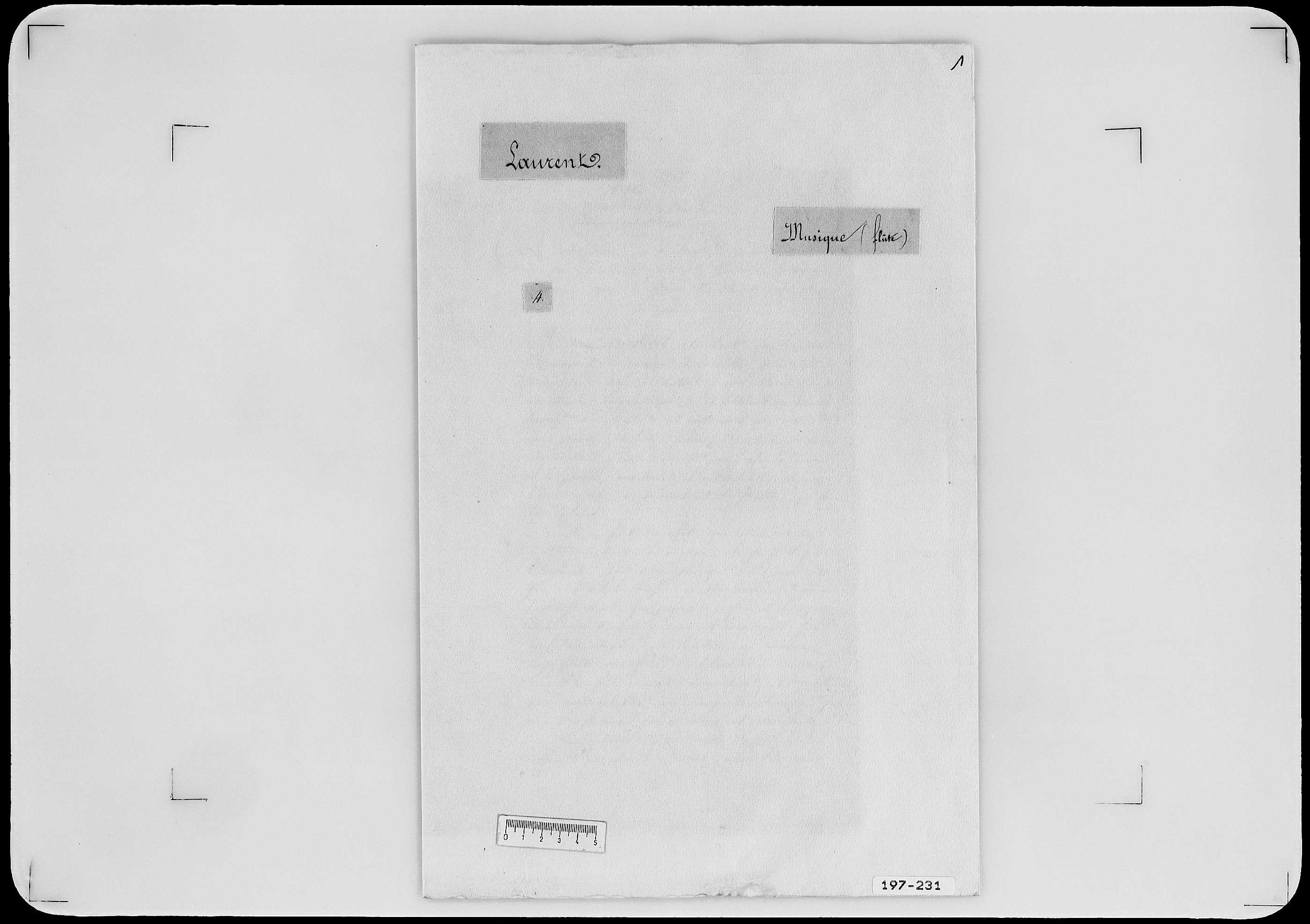
Patent Drawings
I’ve downloaded and stitched together these pics from Institut national de la propriété industrielle (INPI). because it’s dial-up-speed slow.
If you right-click the image and choose “View Image” in your browser, you’ll a huge pic. Recommended.

These are gorgeous! I’d love to try one out! Also, thanks for the shout out. Great article. Well done.
Thank you so very much for this lovely article!